
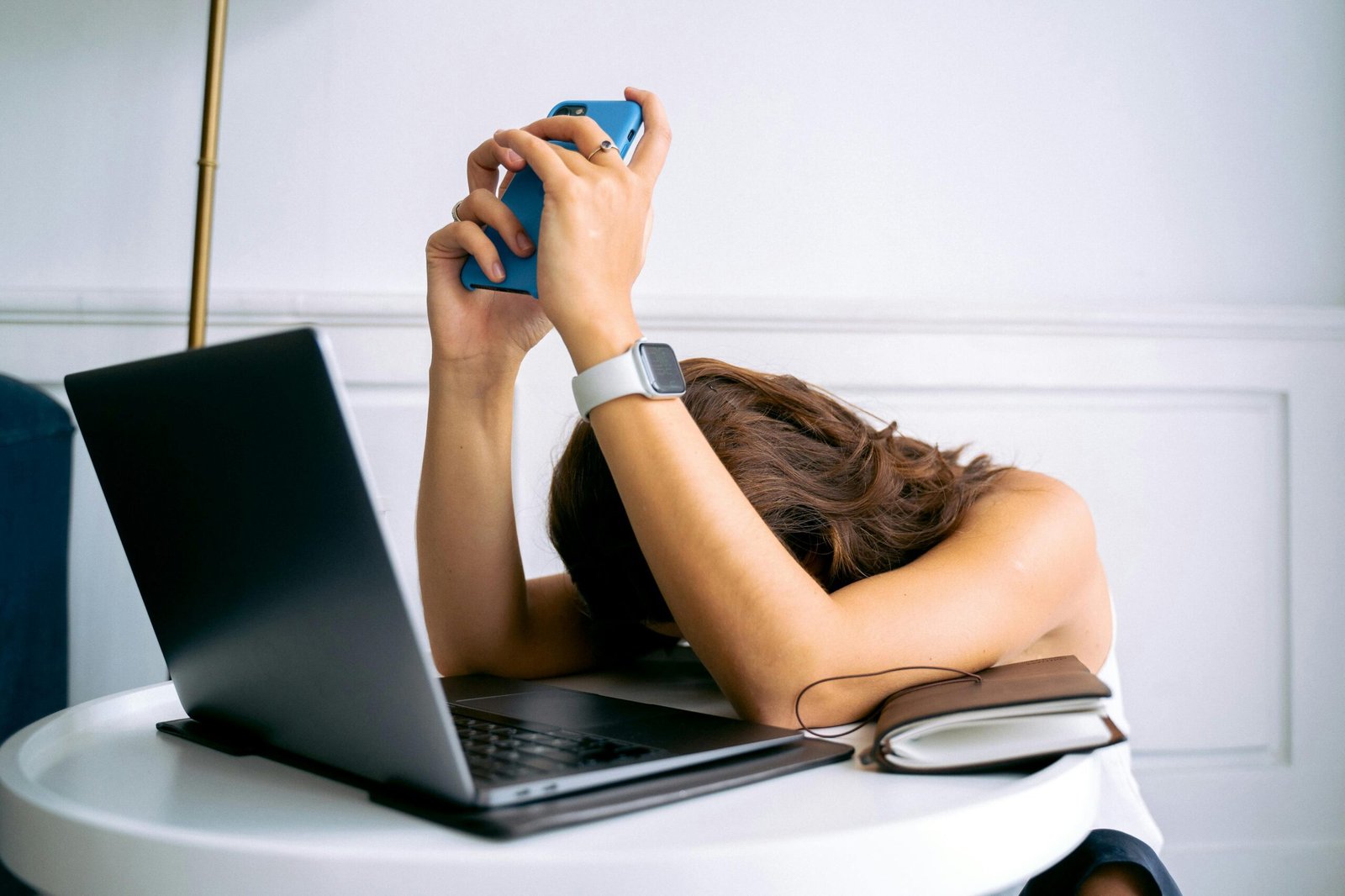
Nobody talks about this enough, but there’s a particular kind of tiredness that comes specifically from being online. Not physical tiredness. Not even the mental tiredness from working hard or thinking deeply. It’s something else — a low-grade, persistent exhaustion that sits somewhere between boredom and overstimulation, and it follows you even after you put the phone down.
If you know what I’m talking about, you’re not alone. And if you’ve been feeling it more lately, that makes sense too.
Everything Demands a Response Now
Part of what makes being online so draining is that almost everything you see carries an implicit ask. A tweet asks you to have an opinion. A friend’s Instagram post asks you to like it, maybe comment something thoughtful. A news headline asks you to be outraged, or relieved, or scared. A TikTok asks you to keep watching, then watch another one.
None of these asks are huge on their own. But they add up. Over a full day of being online — checking your phone in the morning, scrolling at lunch, half-watching videos while you’re supposed to be relaxing — you’ve made thousands of tiny micro-decisions. Like, share, scroll past, comment, close, open, repeat. By evening, your brain has done more social processing than it was ever really designed to handle in a single day.
The News Cycle Is Specifically Designed to Keep You Activated
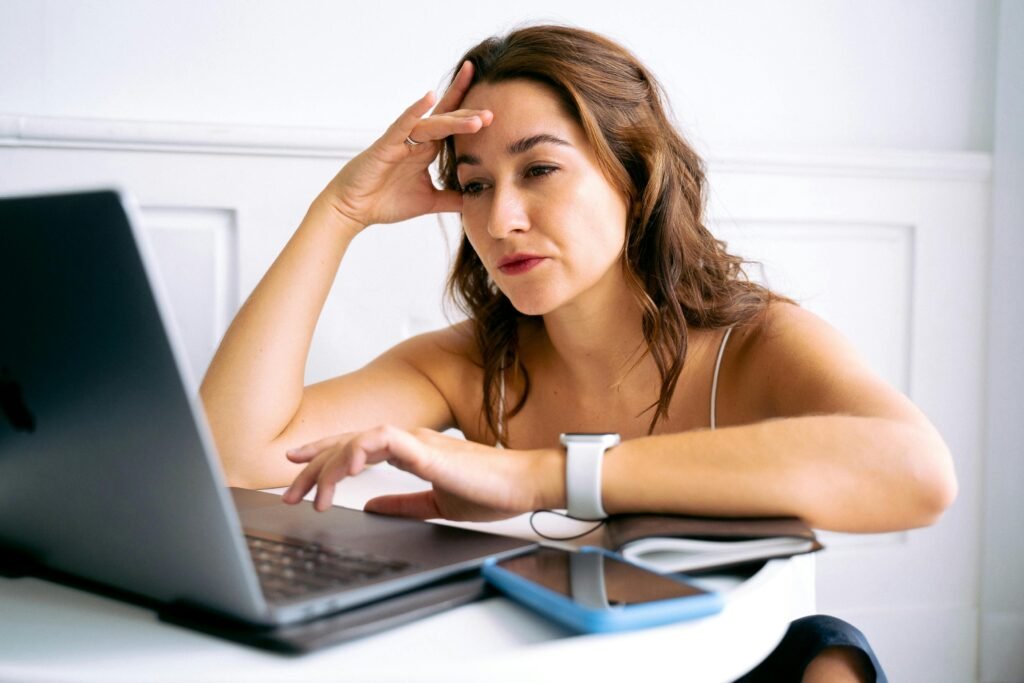
This one is worth naming directly. The modern news cycle — especially as it lives on social media — is not designed to inform you and let you rest. It’s designed to keep you in a state of engagement, which usually means a state of mild anxiety. Outrage gets more clicks than resolution. Crisis gets more shares than calm.
The result is that if you’re paying attention, you never quite feel like anything is okay. There’s always a new thing to worry about, a new conflict to understand, a new disaster forming somewhere. Your nervous system stays in a kind of background alert mode, waiting for the next thing. That is genuinely exhausting, and it’s not a personal failing — it’s by design.
Comparison Doesn’t Stop Being Harmful Just Because It’s Normal
Social media comparison culture has been discussed to death at this point, but it’s worth repeating because it still quietly does damage to a lot of people who think they’re immune to it. You know, intellectually, that Instagram is a highlight reel. You know people’s lives aren’t as perfect as their posts. And yet — when you’re tired, when you’re already feeling a bit low — the gap between your everyday life and someone else’s curated version of theirs can still sting.
The volume of comparison opportunities has no historical precedent. Your grandparents might have compared themselves to a few dozen people in their immediate community. You compare yourself to hundreds of people every single day, including strangers who are professionally beautiful or professionally successful. That’s a strange new pressure to carry.
You’re Allowed to Just… Log Off
This sounds obvious but apparently needs saying: you don’t have to be reachable all the time. You don’t have to have an opinion on everything that happens online. You don’t have to keep up with every trend, every discourse, every emerging story. The internet will still be there tomorrow. The memes will wait.
More and more people are quietly practicing some version of this — deleting apps on weekends, setting phone-free hours, taking social media breaks that last days or weeks. And almost universally, they report feeling better. Not fixed, not transformed, just… lighter.
The goal isn’t to become some off-grid hermit who smugly announces they don’t own a smartphone. It’s just to remember that your attention is yours, and you don’t owe it to every platform that asks for it.
Finding Your Own Pace
Some people thrive on being very online. They love the conversation, the speed, the constant discovery of new things. That’s genuinely fine. But a lot of people are running at that speed not because they love it, but because stopping feels strange or uncomfortable or even vaguely irresponsible.
If that sounds like you, it might be worth asking: what would it feel like to be online a little less? Not as a challenge, not as a detox — just as a normal shift toward something that actually suits you. You don’t need permission. But for what it’s worth, here it is anyway.