
Why Internet Drama Gets More Attention Than Positive News
Every day, millions of people consume online drama through TikTok, YouTube, Instagram, Reddit, and X.
Arguments between influencers, celebrity controversies, viral scandals, and social media feuds often dominate internet conversations more than positive or educational content.
But why does internet drama attract so much attention?
Human Psychology Reacts Strongly To Conflict
Humans naturally pay attention to emotional tension.
Conflict creates curiosity because people want to understand:
- who is right
- who is wrong
- what happens next
Social media platforms amplify this behavior by rewarding engagement.
Posts that trigger emotional reactions often receive:
- more comments
- more shares
- more visibility
As a result, controversial content spreads faster online.
Algorithms Reward Emotional Content
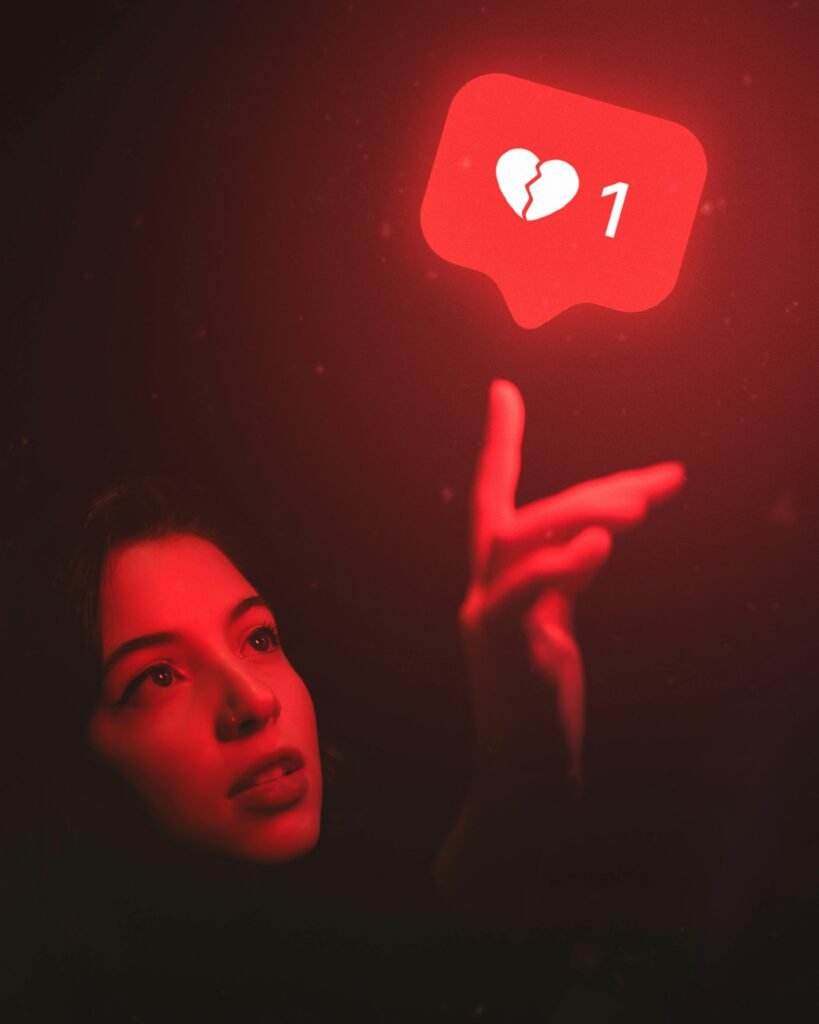
Modern algorithms prioritize engagement.
When users:
- argue in comments
- react emotionally
- share controversial clips
platforms interpret this as valuable content.
This creates a cycle where drama receives more visibility, which generates even more discussion and attention.
Positive or neutral content usually creates less interaction.
Influencers Benefit From Attention
For creators, visibility often matters more than reputation.
Internet controversy can rapidly increase:
- followers
- views
- media attention
- sponsorship interest
Some influencers intentionally create conflict because controversy keeps audiences watching.
This has turned online drama into a profitable form of entertainment.
Audiences Enjoy Spectacle
Internet culture increasingly treats online conflict like reality television.
Viewers follow:
- public feuds
- influencer scandals
- breakup rumors
- apology videos
as ongoing entertainment stories.
Social media transformed personal conflict into public spectacle.
The Negative Side Of Viral Drama
Although online drama attracts attention, it can also create serious problems.
Many creators experience:
- harassment
- anxiety
- misinformation
- reputation damage
Audiences sometimes forget that real people are involved behind viral controversies.
The internet’s speed can intensify situations before facts are fully understood.
Can The Internet Change?
Some creators are now focusing on:
- educational content
- healthier communities
- long-form discussions
- more positive storytelling
However, emotional conflict remains deeply connected to online engagement systems.
As long as platforms reward attention, internet drama will likely remain a dominant part of digital culture.