How Social Media Changed Entertainment Forever
From television and movie theaters to TikTok, YouTube, and streaming platforms, social media has completely transformed how the world consumes entertainment.
Introduction
Entertainment has always evolved alongside technology.
Radio changed how people experienced music. Television transformed storytelling. The internet introduced global access to information and media. But no innovation has reshaped entertainment quite like social media.
Over the last two decades, platforms such as YouTube, Facebook, Instagram, TikTok, X, and Twitch have fundamentally changed how content is created, distributed, discovered, and consumed. Audiences are no longer passive viewers waiting for entertainment to arrive. They actively participate, react, share, remix, and influence what becomes popular.
Today, a viral TikTok clip can launch a music career overnight. A YouTube creator can attract more viewers than a television network. A streaming series can become a global phenomenon because of social media conversations rather than traditional advertising.
Entertainment is no longer controlled exclusively by studios, networks, and record labels.
Social media changed the rules forever.
Entertainment Before Social Media
Before social media became part of everyday life, entertainment followed a predictable structure.
Movies premiered in theaters.
Television programs aired on fixed schedules.
Musicians relied on radio stations and record labels.
Celebrities were introduced through traditional media channels.
Audiences consumed content but had very little influence over what became successful.
Entertainment companies controlled:
- distribution
- marketing
- promotion
- audience access
The system was highly centralized.
Becoming famous often required industry connections, large budgets, and access to traditional media.
The Rise Of User-Generated Content
Everything changed when platforms began allowing users to create and publish content themselves.
The launch of YouTube in 2005 marked a turning point.
For the first time, ordinary people could upload videos and reach global audiences.
This led to the rise of:
- vloggers
- gaming creators
- educators
- comedians
- musicians
Millions of people suddenly had access to a publishing platform.
Creators no longer needed television networks to build audiences.
Audiences began discovering entertainment directly through individuals.
This was the beginning of creator culture.
The Creator Economy Revolution
One of social media’s biggest impacts on entertainment is the rise of the creator economy.
Today, creators earn income through:
- sponsorships
- advertising
- memberships
- merchandise
- affiliate partnerships
Many creators operate as independent media businesses.
What makes this remarkable is that individual creators can now compete with traditional entertainment companies.
Some YouTube channels attract millions of viewers every week.
Popular streamers generate audiences comparable to major television broadcasts.
Influencer culture became a legitimate industry.
Social media transformed entertainment from a centralized system into a creator-driven ecosystem.
How TikTok Changed Entertainment
Few platforms have influenced modern entertainment more than TikTok.
TikTok changed the speed of culture.
Its algorithm prioritizes discovery rather than follower counts.
This means anyone can potentially reach millions of viewers with a single video.
As a result:
- trends move faster
- music spreads faster
- creators become famous faster
- memes evolve faster
Songs now reach global audiences because of TikTok.
Movies and television shows gain popularity through short clips.
Influencers build careers from viral moments.
TikTok accelerated entertainment culture beyond anything seen before.
Why Audiences Became Part Of The Show
Traditional entertainment treated audiences as spectators.
Social media turned audiences into participants.
Viewers now:
- comment
- react
- remix
- share
- create fan content
This participation extends the life of entertainment far beyond its original release.
A television scene can become:
- a meme
- a reaction format
- a TikTok trend
- a viral discussion
Entertainment now lives across multiple platforms simultaneously.
The audience became part of the entertainment process itself.
Streaming And Social Media Became Partners
Streaming platforms and social media now depend on each other.
A show might be available on Netflix, but its success often depends on:
- TikTok edits
- YouTube reactions
- fan theories
- viral discussions
Many people discover new shows because they repeatedly see clips online.
In some cases, social media hype becomes more effective than traditional advertising.
This relationship changed how entertainment companies market content.
Success is increasingly measured by conversation as much as viewership.
Celebrity Culture Was Reinvented
Social media transformed celebrity culture.
In the past, celebrities communicated through:
- television interviews
- magazines
- press conferences
Today, celebrities communicate directly with audiences.
They share:
- opinions
- photos
- personal updates
- behind-the-scenes moments
This direct access changed audience expectations.
Fans now expect constant visibility and engagement.
Social media made celebrity culture more immediate, personal, and interactive.
At the same time, it blurred the line between celebrities and influencers.
Why Influencers Became Entertainment Figures
Influencers are among the clearest examples of social media’s impact on entertainment.
Many creators built audiences without:
- movies
- television appearances
- record labels
Instead, they gained popularity through:
- personality
- authenticity
- consistency
- community engagement
For younger audiences especially, influencers often feel more relatable than traditional celebrities.
This shift changed who becomes famous and why.
Entertainment is increasingly personality-driven rather than institution-driven.
The Psychology Behind Social Media Entertainment
Why has social media become such a dominant source of entertainment?
Several psychological factors contribute:
Personalization
Algorithms show content tailored to individual interests.
Convenience
Entertainment is available instantly.
Endless Variety
Users can access millions of creators and topics.
Participation
Audiences feel involved rather than passive.
Social Connection
Entertainment becomes part of community experiences and online conversations.
These factors create highly engaging digital environments.
The Downsides Of Social Media Entertainment
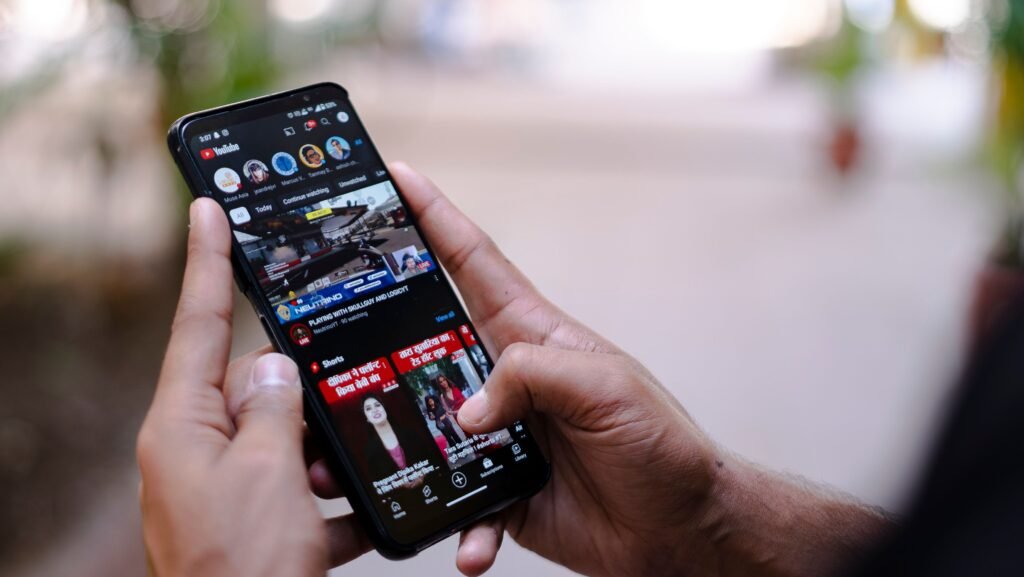
Although social media transformed entertainment positively in many ways, it also introduced challenges.
Information Overload
Users are exposed to constant streams of content.
Shorter Attention Spans
Rapid content consumption may reduce focus on longer experiences.
Burnout
Creators often face pressure to remain active constantly.
Viral Pressure
Success can become dependent on unpredictable algorithms.
Misinformation
Not all viral content is accurate or trustworthy.
The entertainment industry continues adapting to these realities.
What The Future Looks Like
The future of entertainment will likely become even more connected to digital platforms.
Emerging trends include:
- AI-generated content
- virtual influencers
- immersive digital experiences
- creator-owned media brands
- interactive storytelling
Entertainment will continue becoming more personalized, participatory, and community-driven.
The relationship between audiences and creators will likely grow even stronger.
Frequently Asked Questions
How did social media change entertainment?
Social media changed entertainment by allowing creators to reach audiences directly, increasing audience participation, accelerating trends, and transforming content discovery.
Why are influencers considered entertainers?
Influencers create content that informs, inspires, and entertains audiences, often attracting viewership comparable to traditional media personalities.
How does TikTok affect entertainment?
TikTok influences music, television, movies, trends, and creator careers by rapidly distributing content to large audiences.
Is traditional entertainment disappearing?
No. Traditional entertainment still exists, but social media has changed how audiences discover and engage with it.
What is the creator economy?
The creator economy refers to the industry built around individuals earning income from online content creation.
Final Thoughts
Social media did more than introduce new platforms.
It fundamentally changed entertainment itself.
Audiences are no longer passive consumers. Creators are no longer dependent on traditional gatekeepers. Trends move faster than ever before. Entertainment now exists as an ongoing conversation rather than a one-way broadcast.
The future of entertainment will continue evolving, but one thing is already clear:
Social media permanently changed how the world creates, discovers, shares, and experiences entertainment.
Related Reading: