
The Complete Guide to Internet Culture in 2026
Understanding the trends, communities, creators, memes, and digital habits shaping modern life online.
Introduction
The internet has become more than a technology. It has become a culture.
Every day, billions of people spend time online watching videos, sharing memes, participating in communities, following creators, streaming entertainment, and discussing the latest trends. What once existed as a collection of websites and forums has evolved into a global cultural ecosystem that influences how people communicate, learn, shop, work, and entertain themselves.
Internet culture affects nearly every aspect of modern life. A viral TikTok trend can influence fashion sales. A YouTube creator can build an audience larger than traditional television networks. A meme can become part of everyday language within days.
In 2026, understanding internet culture is no longer optional. It is essential for understanding how society functions in the digital age.
This guide explores the major forces shaping internet culture today, from social media and streaming platforms to memes, influencers, online communities, and the future of digital life.
What Is Internet Culture?
Internet culture refers to the shared behaviors, trends, language, content, and communities that develop online.
Unlike traditional culture, which often evolves slowly over decades, internet culture can change within hours.
Internet culture includes:
- memes
- viral videos
- social media trends
- online communities
- creator culture
- digital humor
- influencer marketing
- streaming entertainment
- internet slang
- online identities
What makes internet culture unique is speed.
A trend that begins in one country can spread worldwide within a single day.
The Evolution Of Internet Culture
The Early Internet
In the 1990s and early 2000s, internet culture revolved around:
- forums
- chat rooms
- personal websites
- blogs
Online communities were smaller and more niche.
Users gathered around specific interests rather than massive social platforms.
The internet felt decentralized and community-driven.
The Social Media Era
The launch of platforms such as Facebook, YouTube, Twitter, and Instagram transformed the internet.
Content became easier to create and share.
Users no longer needed technical skills to participate online.
Social media allowed anyone to:
- publish content
- build audiences
- join conversations
- create communities
This dramatically expanded internet culture.
The Algorithm Era
Today, algorithms influence much of what people see online.
Platforms recommend content based on:
- engagement
- viewing history
- interests
- behavior patterns
This changed how trends spread and how audiences discover content.
Algorithms became some of the most powerful forces in digital culture.
The Rise Of Creator Culture
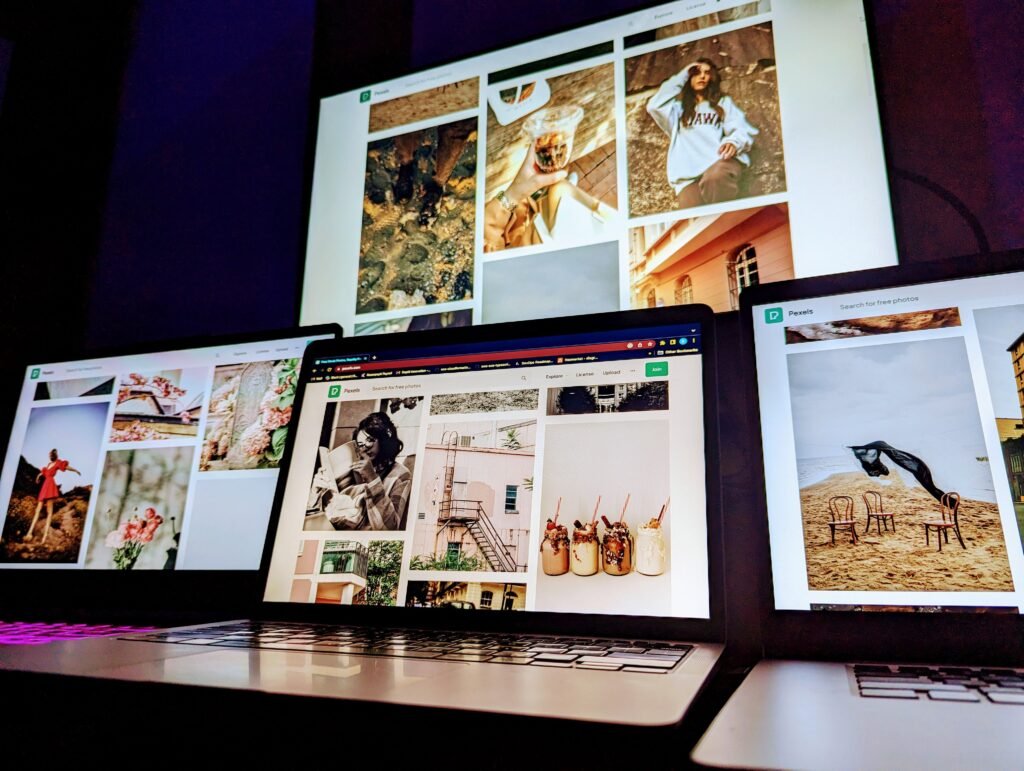
One of the biggest changes in internet culture has been the rise of creators.
Years ago, entertainment was produced primarily by:
- television networks
- film studios
- publishing companies
Today, individual creators compete directly with traditional media.
Popular creators build careers through:
- YouTube
- TikTok
- Twitch
- podcasts
Many creators generate audiences that rival major entertainment companies.
Why Creator Culture Matters
Creators influence:
- purchasing decisions
- entertainment trends
- fashion
- technology adoption
- public opinion
This influence created what is now known as the creator economy.
Millions of people now earn income through online content.
The Creator Economy
The creator economy has become a major industry.
Content creators generate revenue through:
- advertising
- sponsorships
- affiliate marketing
- merchandise
- subscriptions
- memberships
Brands increasingly partner with creators because audiences often trust them more than traditional advertising.
This shift fundamentally changed digital marketing.
Many companies now invest heavily in influencer campaigns rather than television commercials.
Social Media And Modern Identity
Social media has transformed personal identity.
Profiles are no longer simple accounts.
They function as digital representations of individuals.
People carefully consider:
- profile photos
- bios
- aesthetics
- posts
- online reputation
For younger generations especially, online identity often feels closely connected to real-world identity.
The internet became a space where people express:
- interests
- values
- creativity
- personality
This has both positive and negative consequences.
Why Memes Matter
Many people see memes as simple jokes.
In reality, memes are one of the internet’s most important communication tools.
Memes allow users to communicate:
- emotions
- opinions
- reactions
- cultural references
quickly and effectively.
Memes spread because they are:
- easy to understand
- highly shareable
- adaptable
- entertaining
In many ways, memes function as the internet’s universal language.
The Psychology Of Viral Content
Why do some pieces of content become viral while others disappear?
Research suggests viral content often triggers:
- surprise
- humor
- curiosity
- inspiration
- emotional reactions
People are more likely to share content that makes them feel something.
Algorithms amplify this effect by rewarding engagement.
The result is a digital environment where attention spreads rapidly.
Streaming And Entertainment Culture
Streaming platforms transformed entertainment consumption.
Services such as Netflix, Disney+, Prime Video, and others changed how audiences watch content.
Instead of waiting for scheduled broadcasts, viewers can access entertainment instantly.
Streaming created:
- binge-watching culture
- global fandoms
- viral entertainment moments
Many successful shows gain popularity not only through viewing numbers but also through social media discussion.
Online Communities And Digital Belonging
Humans naturally seek community.
The internet created countless spaces where people connect around shared interests.
Online communities exist for:
- gaming
- music
- television
- technology
- sports
- hobbies
Platforms such as Reddit, Discord, and various social networks allow users to form relationships regardless of location.
Many people spend significant portions of their social lives online.
For some users, internet communities provide support, belonging, and friendship.
The Influence Of TikTok
No platform has shaped modern internet culture more dramatically than TikTok.
TikTok accelerated:
- trend cycles
- meme culture
- music discovery
- influencer growth
Its algorithm made viral success more accessible than ever before.
A creator with few followers can reach millions of people through a single successful video.
This changed how fame works online.
The Future Of Internet Fame
Traditional celebrity culture is evolving.
Today, fame can originate from:
- YouTube videos
- livestreams
- TikTok clips
- podcasts
- online communities
Internet fame often develops faster than traditional celebrity careers.
However, it can also disappear quickly.
Creators must constantly adapt to changing platforms and audience expectations.
Artificial Intelligence And Internet Culture
Artificial intelligence is becoming increasingly influential online.
AI tools are already helping users:
- create content
- edit videos
- generate images
- translate languages
- improve productivity
Future internet culture will likely include:
- AI-assisted creativity
- virtual influencers
- personalized content experiences
- intelligent recommendation systems
AI may become one of the defining forces shaping the next generation of digital culture.
Challenges Facing Internet Culture
Despite its benefits, internet culture faces important challenges.
These include:
Information Overload
Users consume enormous amounts of content daily.
This can lead to:
- distraction
- fatigue
- shortened attention spans
Misinformation
False information spreads rapidly online.
Critical thinking remains essential.
Privacy Concerns
Digital platforms collect large amounts of user data.
Privacy continues to be a major topic of discussion.
Mental Health
Constant online engagement may contribute to:
- stress
- comparison
- burnout
- anxiety
Balancing digital life and offline life remains important.
What Internet Culture Will Look Like In The Future
The future of internet culture will likely involve:
- artificial intelligence
- immersive experiences
- virtual communities
- creator-driven media
- personalized entertainment
Technology will continue evolving, but one thing is unlikely to change:
People will always seek connection, entertainment, creativity, and community.
The internet simply provides new ways to satisfy those needs.
Frequently Asked Questions
What is internet culture?
Internet culture refers to the shared behaviors, trends, content, communities, and communication styles that develop online.
Why is internet culture important?
Internet culture influences entertainment, communication, marketing, politics, fashion, and social behavior.
How do trends become viral?
Trends usually become viral through emotional engagement, social sharing, algorithmic promotion, and community participation.
What role do influencers play in internet culture?
Influencers help shape trends, consumer behavior, online discussions, and digital communities.
How is AI affecting internet culture?
AI is influencing content creation, recommendation systems, virtual personalities, and digital experiences across the internet.
Final Thoughts
Internet culture is no longer a niche subject.
It is one of the most influential forces shaping modern society.
From memes and social media trends to streaming entertainment and creator culture, the internet continues changing how people communicate, consume content, and understand the world around them.
Understanding internet culture means understanding the future of entertainment, technology, and human connection itself.
Related Reading: