
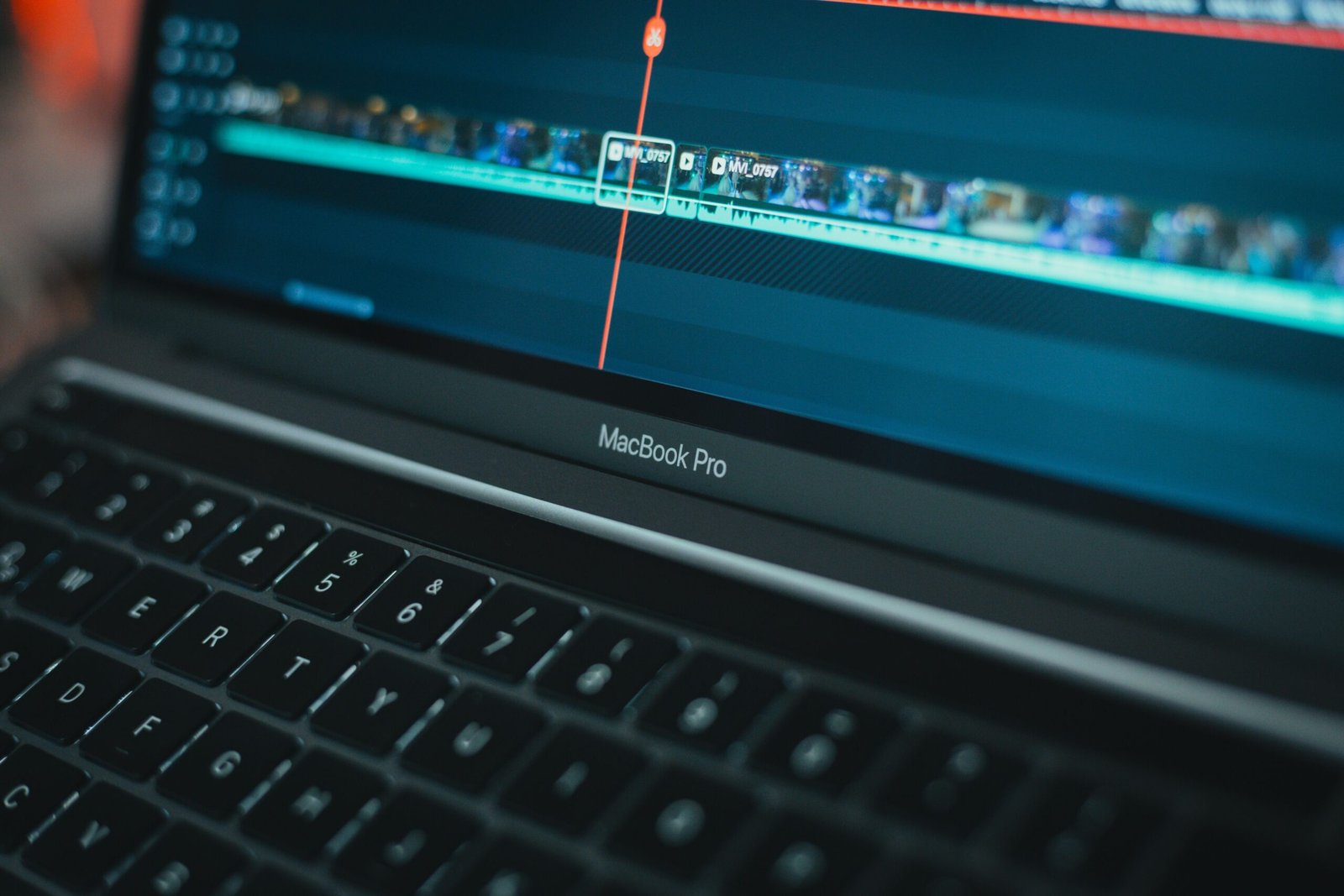
Most people picture an “AI influencer” as a fully synthetic face with a fake name and a fake life, posting fake vacation photos. That’s the visible tip of it, but it’s not actually where most of the change is happening. The bigger shift is quieter: AI is now doing the work behind a huge share of the content people assume is entirely human-made, on real accounts, run by real people. I know this because it’s the tools I work with every day.
What’s actually changing on the production side
When I build a short-form clip now, a meaningful part of the process — generating establishing shots, testing different emotional beats, iterating on a scene before committing to a final cut — increasingly runs through AI video tools rather than a camera. Something like Seedance 2.0 can turn a written scene description into usable footage in the time it used to take to schedule a location and a cast. That doesn’t replace the creative decisions — what story to tell, what emotional beat lands, how to pace a reveal — but it collapses the distance between having an idea and having something postable.
That’s the actual “AI influencer” story most coverage misses. It’s not mainly about synthetic personalities pretending to be real. It’s about the production pipeline behind ordinary-looking content getting radically faster, which means far more content competing for the same attention, made by far fewer people.
Why this changes what gets attention
Platforms reward volume and consistency — post often, test formats fast, double down on what works. That used to be a real bottleneck: filming takes time, people get tired, ideas run out. AI generation removes a lot of that bottleneck, which means the accounts that adapt fastest can simply outpublish everyone else. I’ve watched this happen directly — a concept that used to take a weekend to shoot and edit can now be tested in a handful of variations in an afternoon, and the version that performs gets scaled up immediately. It’s part of the same speed problem behind why TikTok trends burn out faster than they used to — when testing a concept is nearly instant, a trend’s entire lifespan compresses along with it.
The flip side is that audiences are getting sharper at sensing when something feels generated rather than lived — a certain uncanny smoothness, a scene that’s technically impressive but emotionally hollow. The accounts winning right now aren’t the ones hiding that they use AI tools. They’re the ones using the speed to make more attempts at something genuinely resonant, rather than using it to mass-produce filler. That distinction matters a lot once someone actually breaks through — it’s a big part of why internet fame changes people so quickly: the speed that got them noticed doesn’t slow down just because they got the audience.
Where this is heading
The synthetic-personality version of AI influencers — a fully invented face with a fully invented backstory — will keep existing as a novelty and, in some cases, a legitimate brand strategy for companies that want a mascot without a human attached to it. But the bigger and less discussed shift is what’s happening to real creators: the tools that used to separate professional production houses from individual creators are collapsing fast. A single person with the right AI video workflow can now produce something that would have needed a small crew two years ago.
That’s not a hypothetical for me — it’s the actual shape of the work. And it’s why I think the “AI influencer” conversation focused only on fake people misses the more important story: the transformation of what an ordinary creator’s toolkit looks like, and how much faster ideas can move from a sentence in your notes app to something in front of an audience.
That’s not a hypothetical for me — it’s the actual shape of the work, and it’s one piece of the broader shift covered in our complete guide to internet culture in 2026. For more on how this speed shows up downstream in audience behavior, see why we’re all addicted to watching strangers react to things online.